
Emergency Tree Removal Service in Sugar Hill, GA: What Happens When a Tree Hits a House or Vehicle
Emergency Tree Removal Service in Sugar Hill, GA: What Happens When a Tree Hits a House or Vehicle
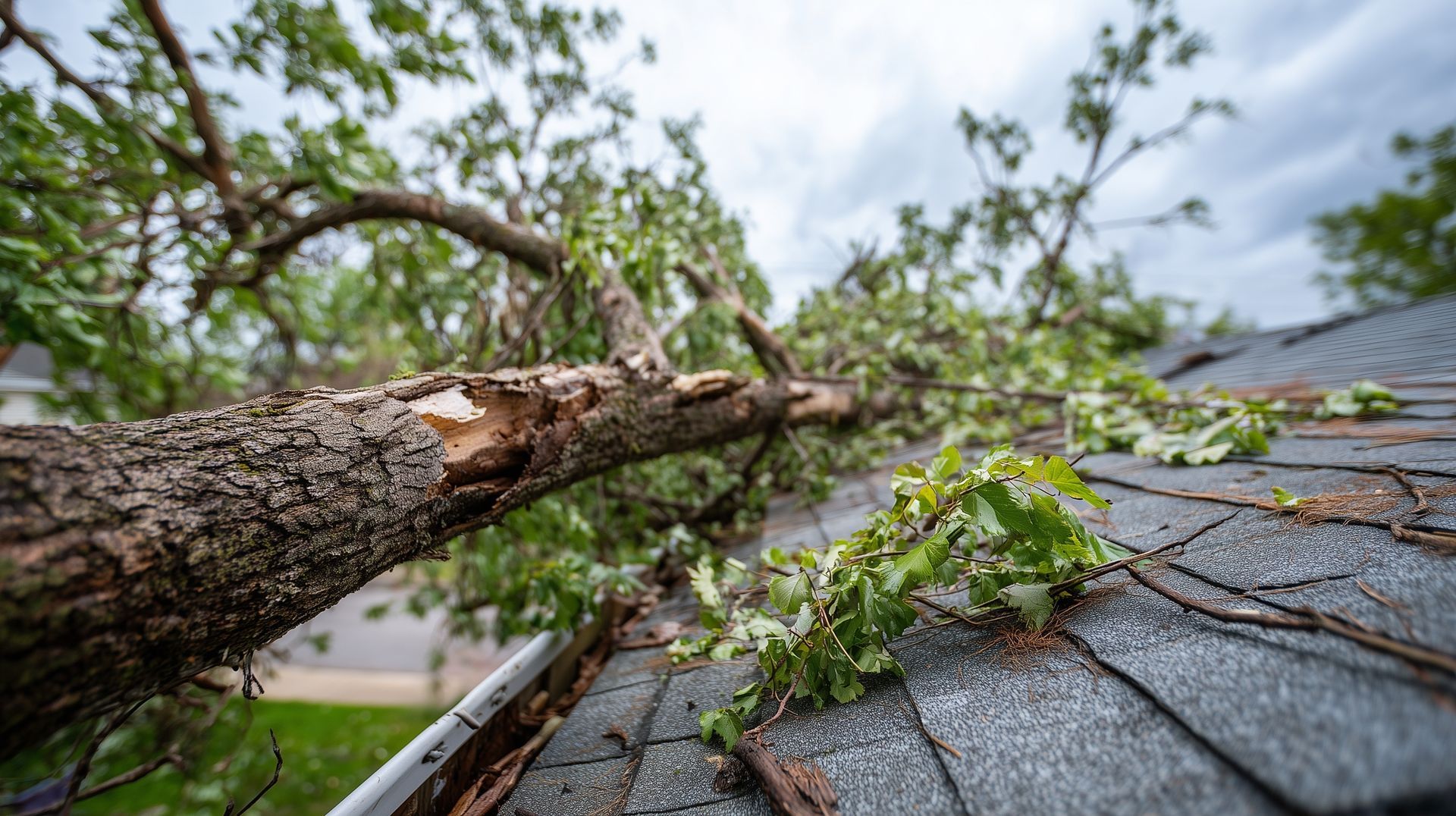
A tree on your house or car is scary. Knowing what a professional crew does can help you stay calm and make smart choices fast. This guide explains how an emergency tree removal service works in Sugar Hill, GA, from arrival to final cleanup.
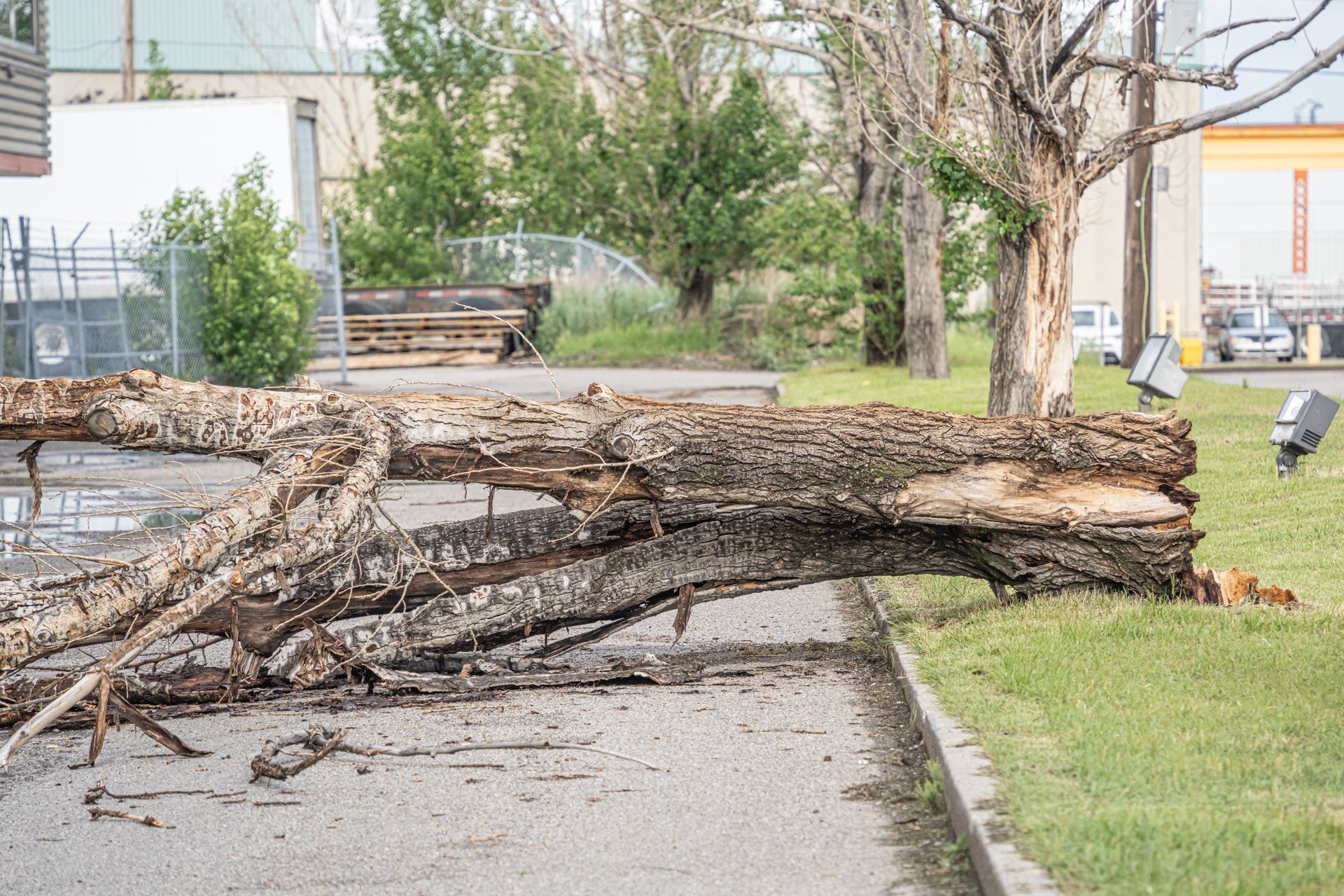
Sugar Hill sits in Gwinnett County, where tall hardwoods like water oaks, tulip poplars, and sweetgums are common. These trees grow fast in Georgia's humid climate. Strong thunderstorms and ice can bring them down with little warning.
Why Trees Fall on Homes and Cars in Sugar Hill, GA
Most trees fall because of bad weather or hidden damage. A healthy-looking tree can still be weak inside. These are the most common causes:
- Severe thunderstorms with strong winds.
- Ice and heavy rain that weigh down branches.
- Soggy soil that loosens the roots.
- Rot, disease, or insect damage inside the trunk.
- Cracked or dead limbs that were never trimmed.
What to Do Right After a Tree Falls
Your safety comes first. Follow these steps before the crew arrives.
1. Get everyone out of the area, including pets.
2. Call 911 if anyone is hurt or you smell gas.
3. Stay away from downed power lines and treat every wire as live.
4. Do not go back inside until a professional says it is safe.
5. Take photos of the damage from a safe distance.
6. Call an emergency tree removal service in Sugar Hill, GA.
How an Emergency Tree Removal Service Works
A good crew follows a clear plan. Here is what you can expect on the job.
Step 1: Arrival and Scene Check
When the crew arrives, the first priority is never the chainsaw. It is learning what is happening on the property. The crew will look for:
- Damage to the roof, walls, or foundation.
- Power lines tangled in the branches.
- A car that is not stable under the tree.
- A root ball that could cause another collapse.
If a power line is involved, the crew will call the utility company. Work does not start until the line is safe. A live wire hidden in leaves can be deadly.
Step 2: Securing the Area
The crew sets up a work zone that reaches well past the edge of the tree. Everyone, including the homeowner, is asked to stay back. This keeps people safe from falling branches.
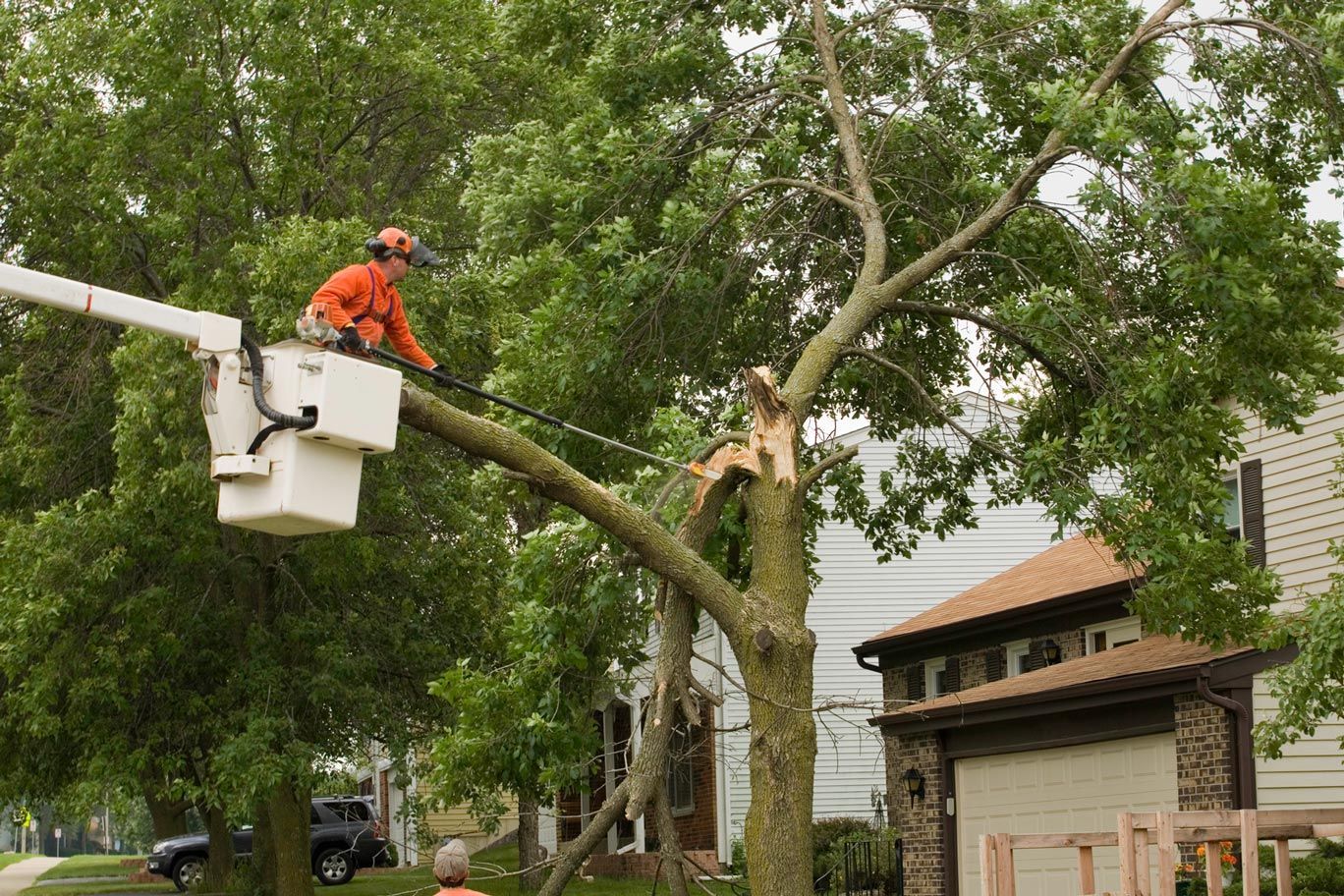
For a tree on a house, the crew may brace the damaged roof first. Removing the tree too fast can make the structure shift or collapse. A crew member may climb onto the roof to place supports before the first cut.
For a tree on a car, the car may be the only thing holding the tree in place. The crew plans each cut with this in mind. They work from the top down and remove weight a little at a time.
Step 3: Cutting the Tree in Sections
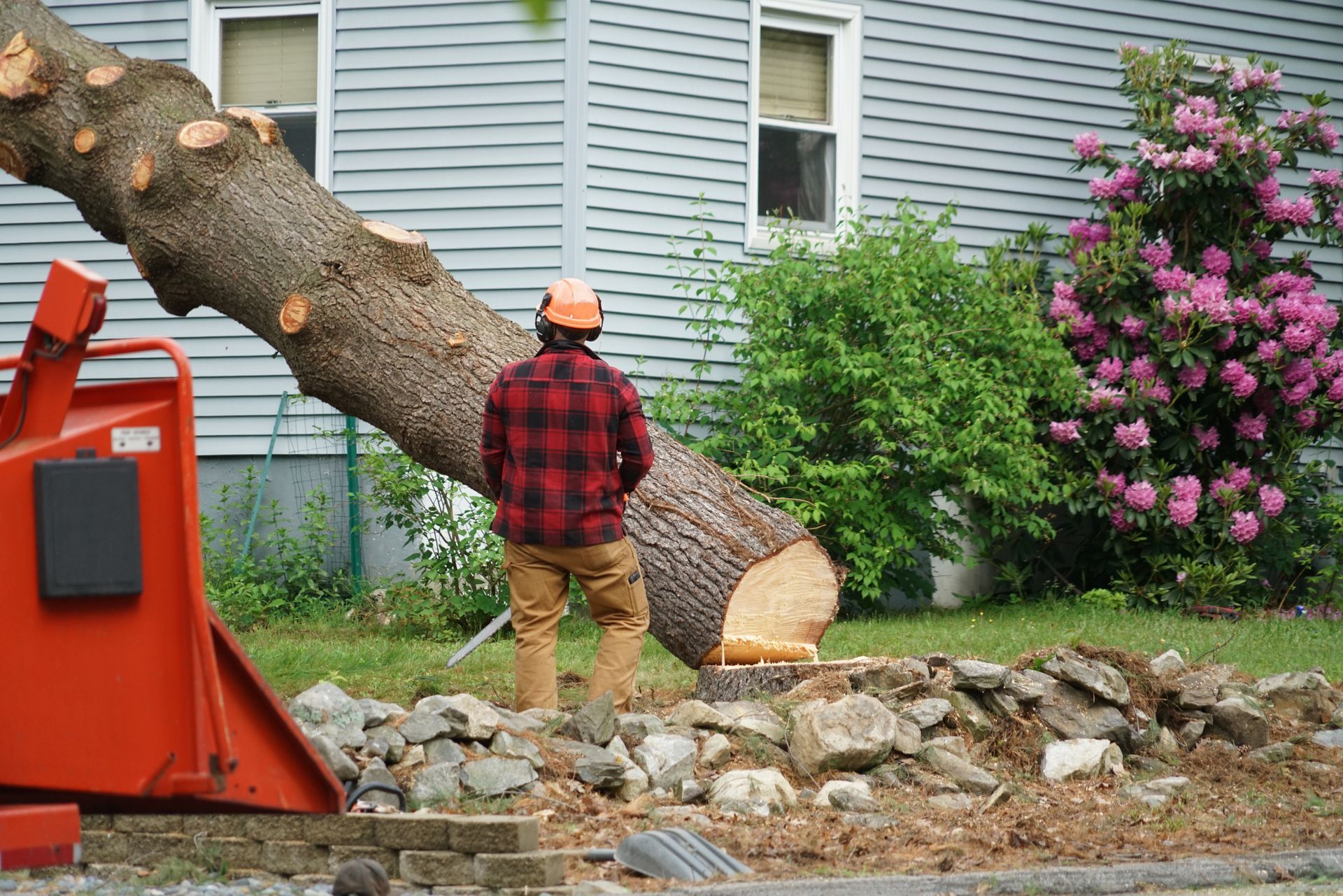
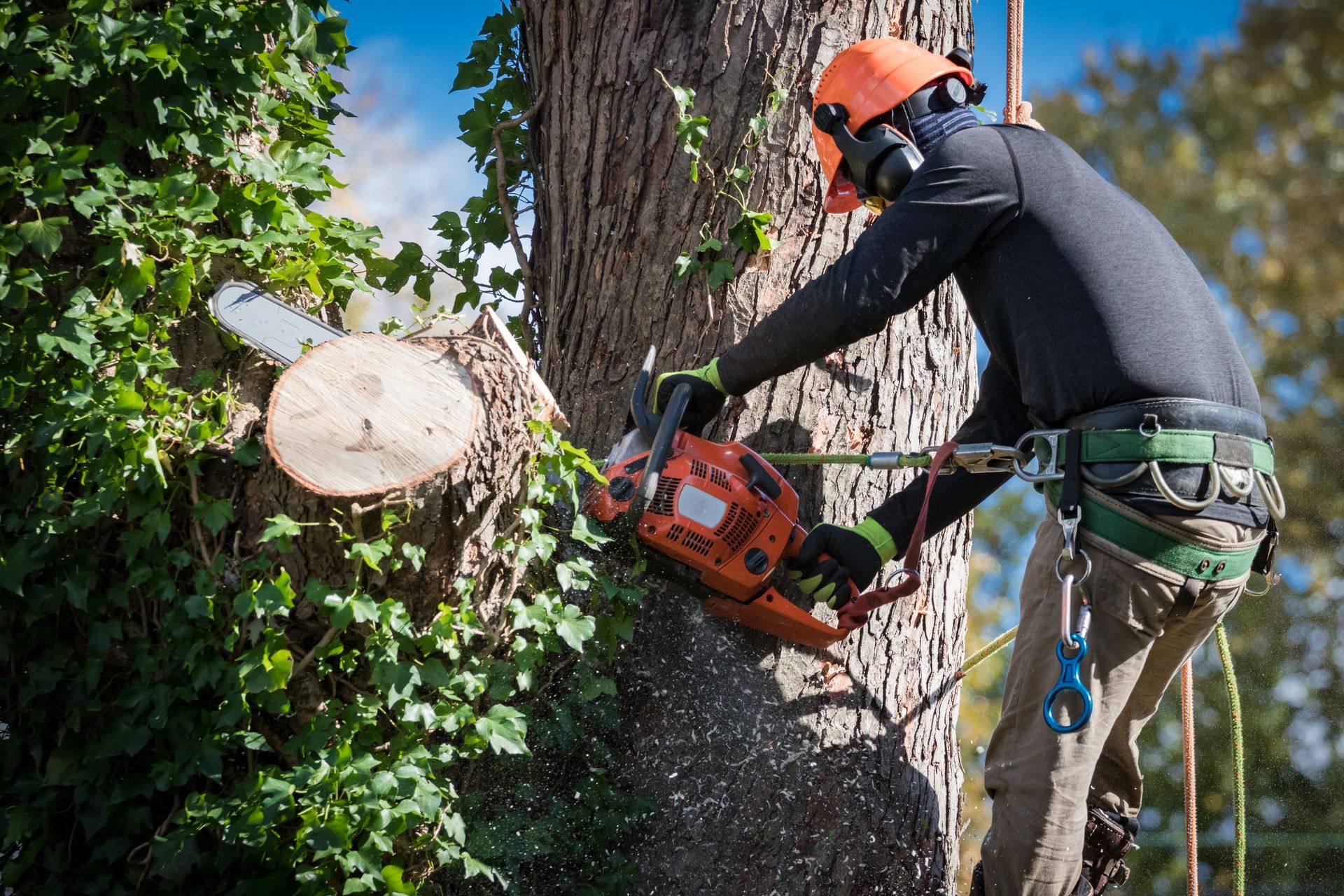
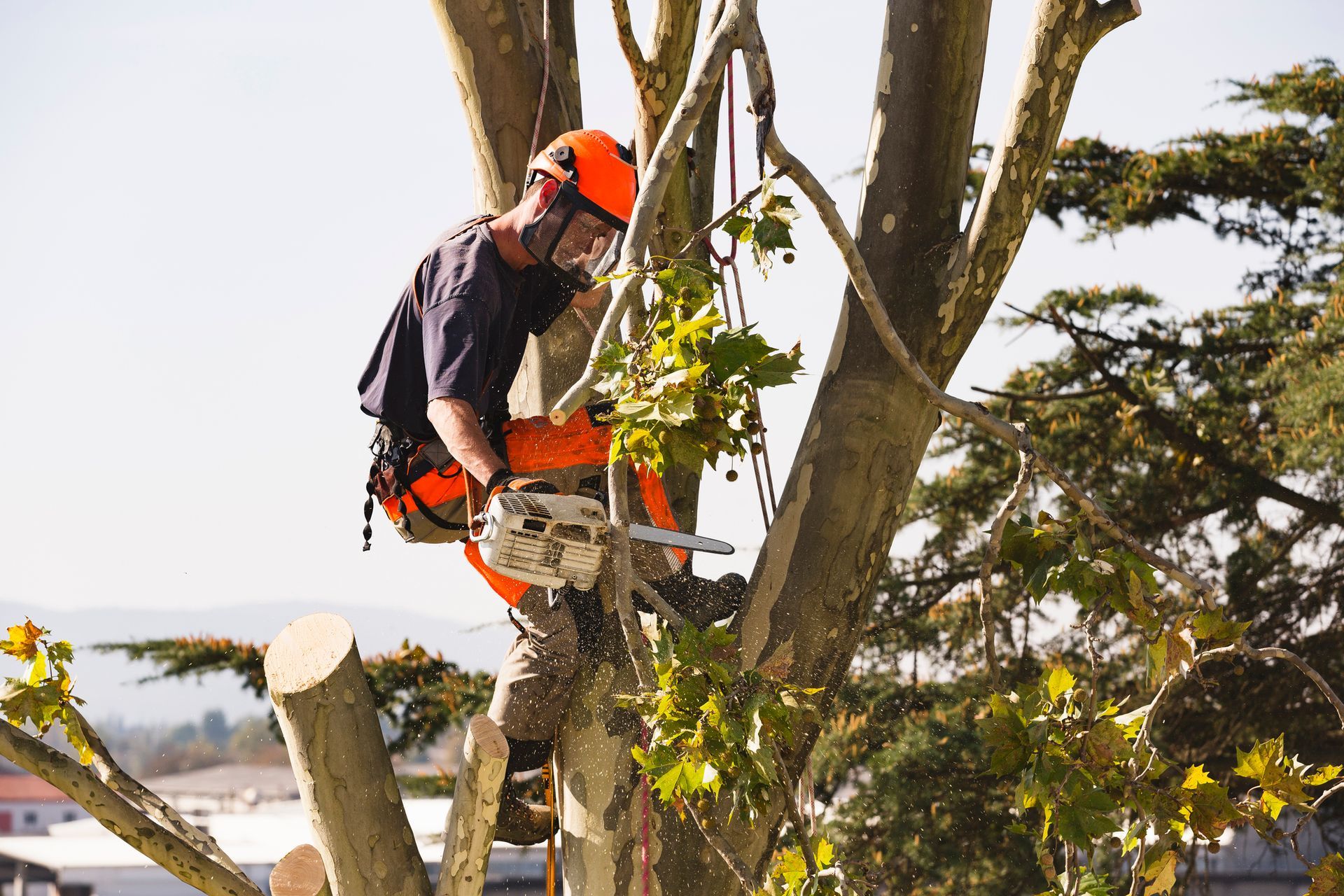
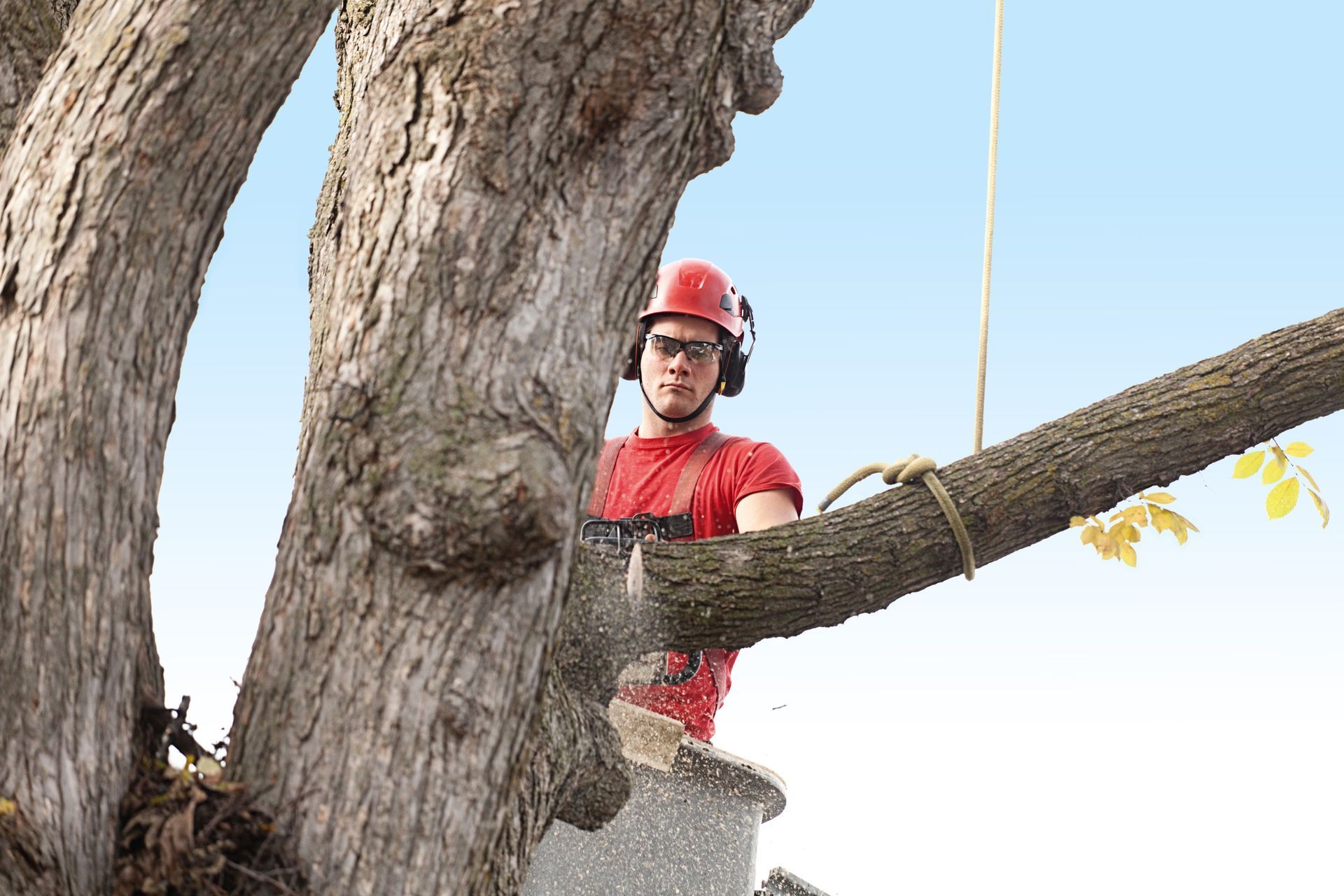
Crews start with the outer branches before they cut the trunk or main limbs. This lowers the weight and gives workers room to move. Each piece is cut small, and ropes guide where it lands, especially over a roof, fence, or parked car.
The order of the cuts matters. A tree resting on a roof is under pressure from many directions. Cutting the wrong part first can release that pressure all at once and send a heavy limb flying.
Experienced crews study these stress points before every cut. This protects both your home and the workers.
Step 4: Clearing the Vehicle
Once the tree is off, the crew clears the area so your car can be reached, towed, or checked. They also remove broken branches and debris. The crew can help document the damage for insurance, but they do not judge repair costs.
Step 5: Checking Nearby Trees
A fallen tree is rarely the only problem after a storm. Storms often leave hanging limbs, called "widow makers," in nearby trees. These limbs can drop without warning, even days later.
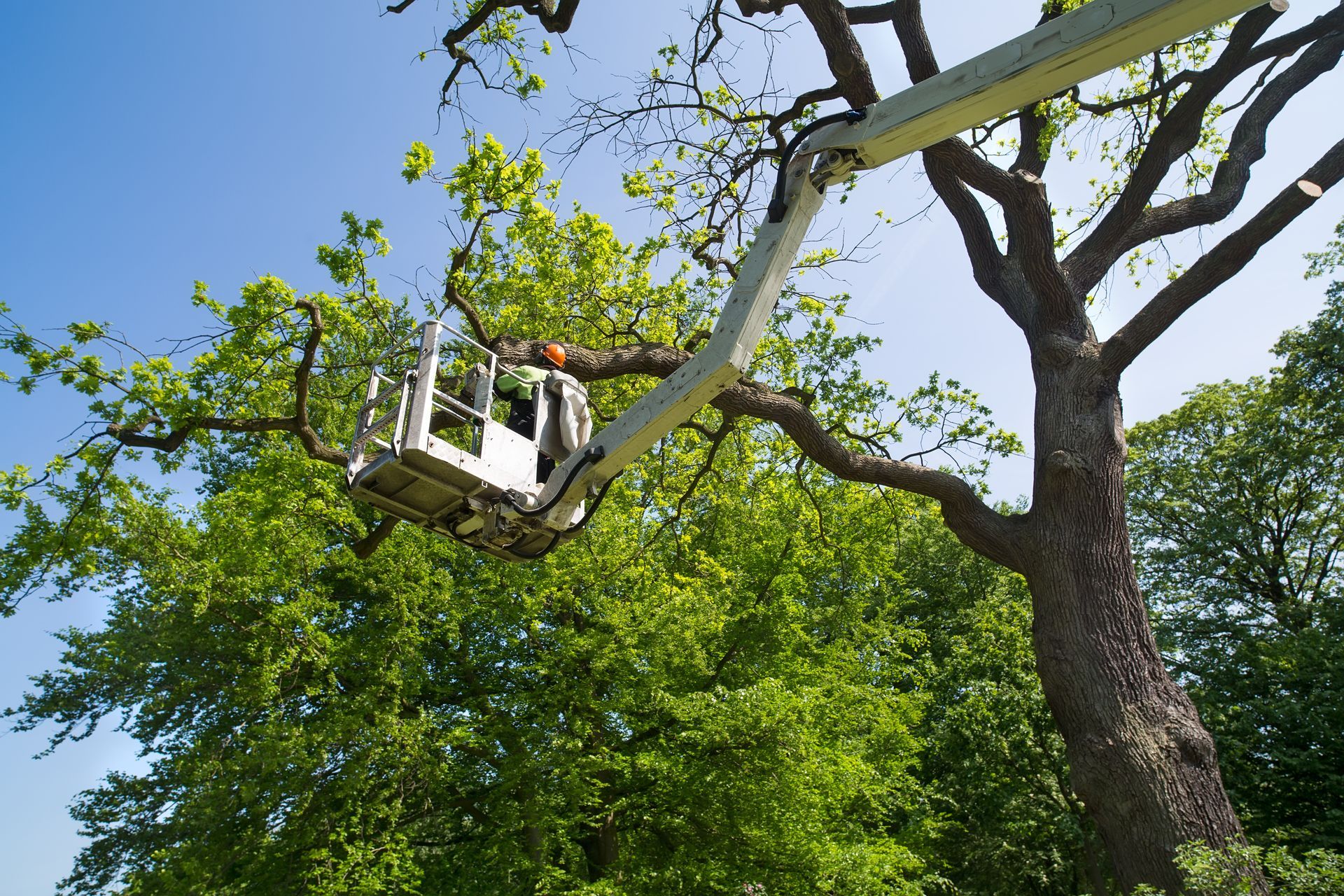
A thorough emergency tree removal service also scans nearby trees for these hazards. Cracked, loose, or tangled limbs can often be trimmed during the same visit. Leaving them up risks more damage in the next windstorm.
Step 6: Cleanup
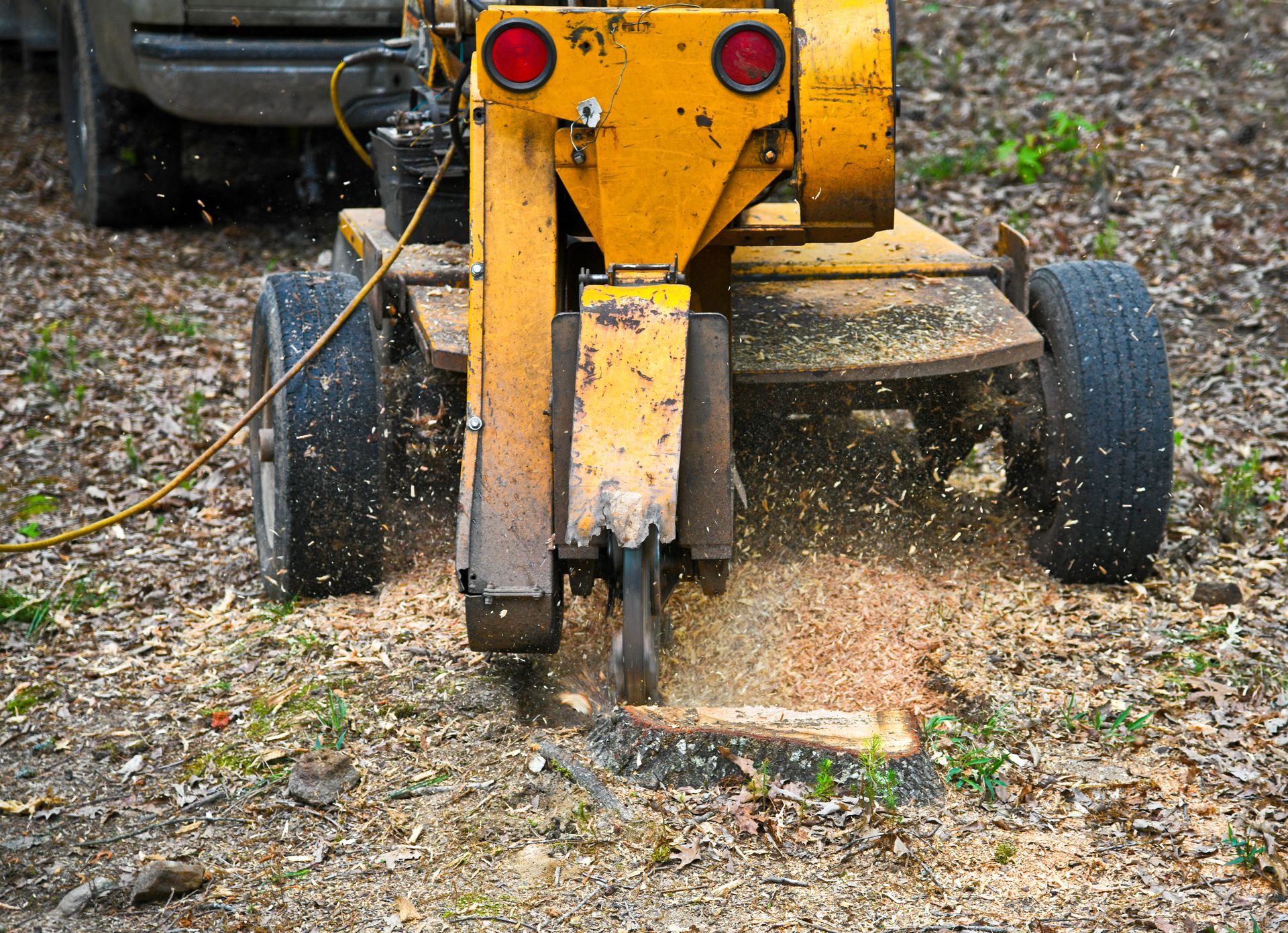
The crew chips small branches, cuts the trunk into sections, and hauls everything away. You should be left with a clean yard instead of a pile of logs. If a stump remains, it is handled in a separate stump removal visit. The emergency call focuses on making the property safe.
Ready to Call for Help After a Tree Falls?
Gordon Pro Tree Service is a licensed, insured, veteran-owned company. It provides 24-hour emergency tree removal service to Sugar Hill and Gwinnett County. Call
(770) 271-6072 to reach the team, or
contact us online to request help. You can also find and review them on Google at
Gordon Pro Tree Service.
Frequently Asked Questions
Is it safe to move my car if a tree is on it?
No. Moving the car before the tree is removed can make the tree shift without warning. That can cause more damage or hurt someone. Wait for the crew to clear the tree first.
Should I cut the broken limbs myself?
No. Hanging limbs and tangled power lines are dangerous. Leave the work to a trained crew with the right gear.
Will the crew handle the insurance paperwork?
Crews can clear access so adjusters can see the damage. Take photos before and during removal. Many homeowner and auto policies cover storm tree damage, but the paperwork is your job.